Seed DS-01 Daily Synbiotic 30-Day Jar Review: The Starter Pack That Opens Seed's Refill System
The 30-day jar is where Seed's refill system starts: 60 capsules in the reusable dark green jar. We read the label, sort the published evidence from the marketing claims, and explain who should begin with the jar and who should be refilling instead.
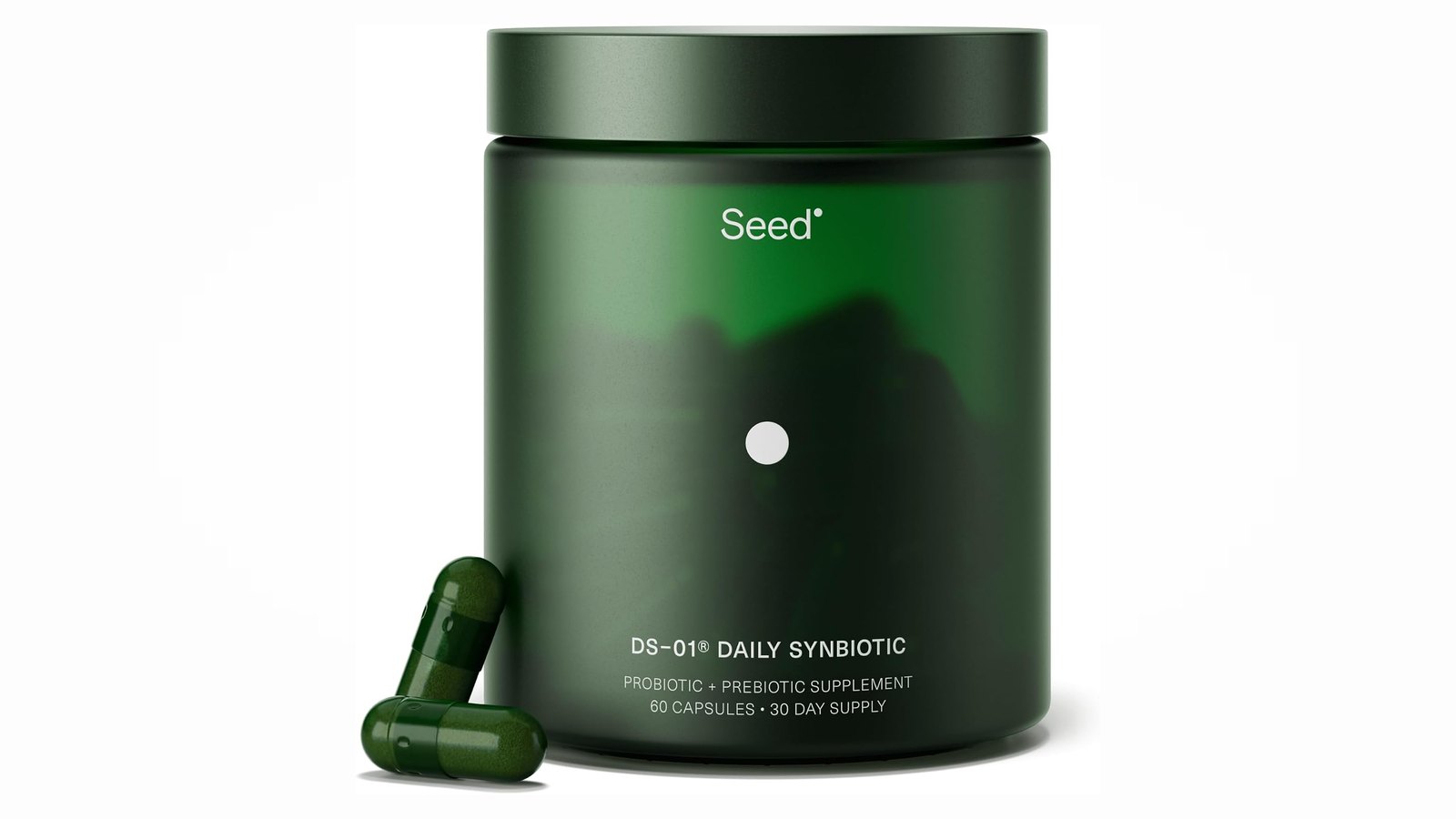
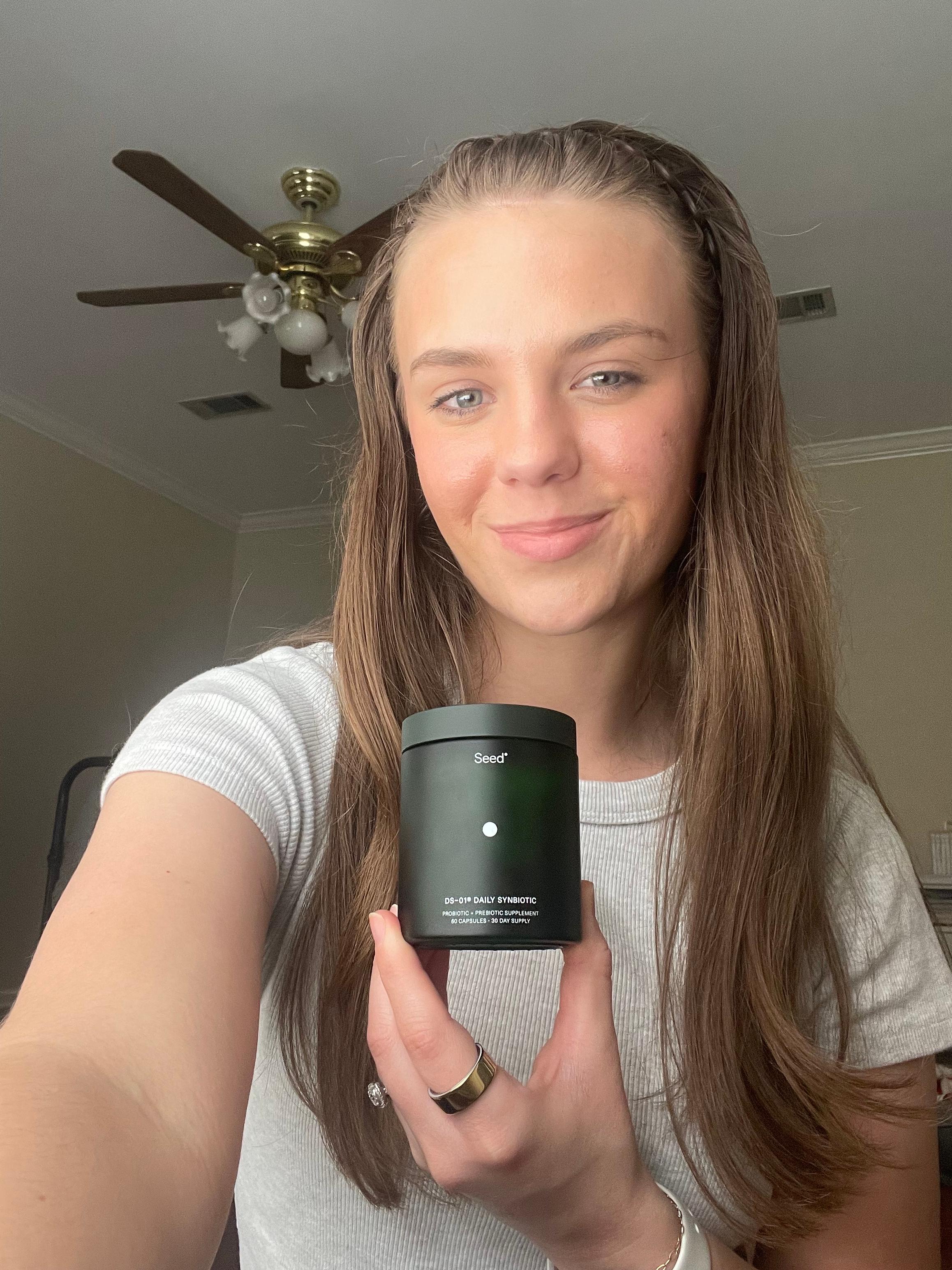
Seed sells DS-01 in two packaging formats that look like the same product from a distance and are not the same purchase. One is a rigid jar. The other is a foil refill sachet. The jar is the starter format — 60 capsules, a 30-day supply — and it is also the piece that makes the refill system work at all, because the refill packs ship without any container at all.
That makes this listing the sensible first buy for anyone who has not used DS-01 before, and it makes the format question easier than it looks: you buy the jar once, then keep the jar and buy refills to top it up.
What follows is built from three sources: the Amazon listing record for this product, the manufacturer’s own packaging panels and graphics published with it, and the full text of two peer-reviewed trials of this formulation.
An honest note on the evidence behind this review
We did not perform hands-on testing of this product. Nobody here has used this jar, swallowed these capsules, or refilled it. Where we describe what DS-01 does, we are reporting either what the manufacturer states or what a published study measured, and we say which is which at every point.
One clarification about those studies, because it changes how you should read them. Both were funded by a grant from Seed Health, Inc. The 2026 gastrointestinal trial discloses that C.V.D.E. and Z.K. are employees and shareholders of Seed Health, that R.J. is an employee of Increnovo LLC and an advisor to Seed, and that J.R.A. serves as an advisor to Seed. The 2025 microbiome trial discloses the same relationship for B.A.N. and Z.K., with G.R. and R.J. as advisors. Both papers state that the sponsor had no role in trial operations, which were run independently by contract research organizations, and that the final decision to publish was made solely by the authors.
We are not going to describe these as independent validation, because they are not independent. They are manufacturer-funded studies with manufacturer employees among the authors, published in a peer-reviewed journal. That is a normal arrangement for a supplement company funding its own research, and the studies are unusually informative for it, but “independent” would be false.
We also could not extract individual buyer review text from the listing, so we do not quote buyers or characterize a consensus among them. The only buyer data we can report is the aggregate Amazon rating displayed on this listing at the time of writing: 4.4 out of 5 stars from 8,546 global ratings. That is a platform aggregate of buyer submissions, not an editorial score from us.
What is actually in the jar
- Serving size: 2 ViaCaps capsules
- Supply: 60 capsules, 30 servings, a 30-day supply — the jar itself is printed “60 CAPSULES · 30 DAY SUPPLY”
- Strains: 24 named strains across four blends
- Total per serving: 53.6 billion AFU, listed on the panel as “Amount Per Serving”
- Prebiotic: 400 mg MAPP (Microbiota-Accessible Polyphenolic Precursors), Indian pomegranate (Punica granatum) extract with more than 40% polyphenolic and phenolic bioactives
- Capsule: vegan — outer shell hypromellose with sodium copper chlorophyllin color, inner shell hypromellose and water, with organic rice flour and organic rice extract as carriers
- Storage: no refrigeration necessary
- Listing details: container type Jar, package weight 0.34 kg, UPC 860340001675, manufacturer part number SYN-AZ
- Rating: 4.4 out of 5 stars from 8,546 global ratings (Amazon aggregate)
Two numbers in that list do the work. The 53.6 billion AFU figure is the number of live organisms at the time of manufacture, and it is the number most probiotic labels lead with — it tells you the dose, not the effect. The 400 mg pomegranate extract is the part that makes DS-01 a synbiotic rather than a plain probiotic, and it is also the component the trials used: both published studies tested a 53.6 billion AFU multi-species synbiotic with 400 mg pomegranate extract, which is this formulation.
The capsule construction is worth a look too. Seed’s own graphic describes the ViaCap system as a prebiotic outer capsule with the probiotic inner capsule inside it, and states that it “safeguards probiotics through digestion for superior survivability” based on an in-vitro study in a Simulator of the Human Intestinal Microbial Ecosystem. In-vitro means in a simulated gut model rather than in people, and it is the manufacturer’s own basis for the claim. The vegan shell is a real, verifiable material fact and a genuine differentiator from gelatin-capsule competitors.
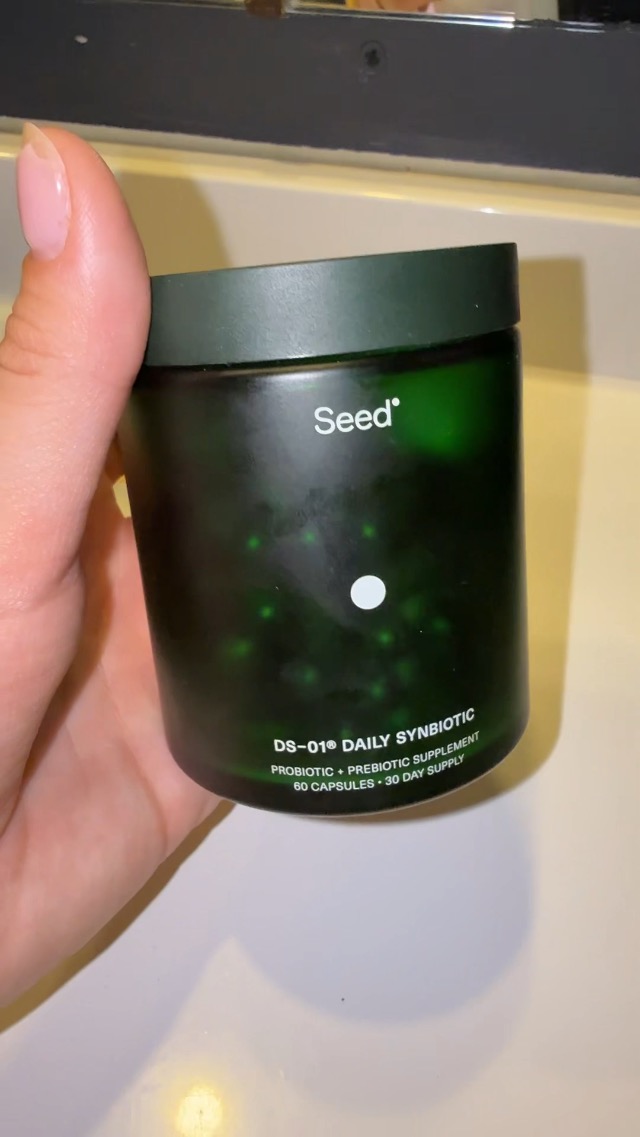
The jar is the reason the refills exist
Seed’s listings for the refill formats include this instruction: “Begin with the 30-Day Starter to get the signature Seed jar — infinitely refillable and made to protect your probiotics.” That sentence is the clearest statement of how the system is meant to work. The refill packs are sachets with no rigid container, so the jar you already own is where the capsules end up.
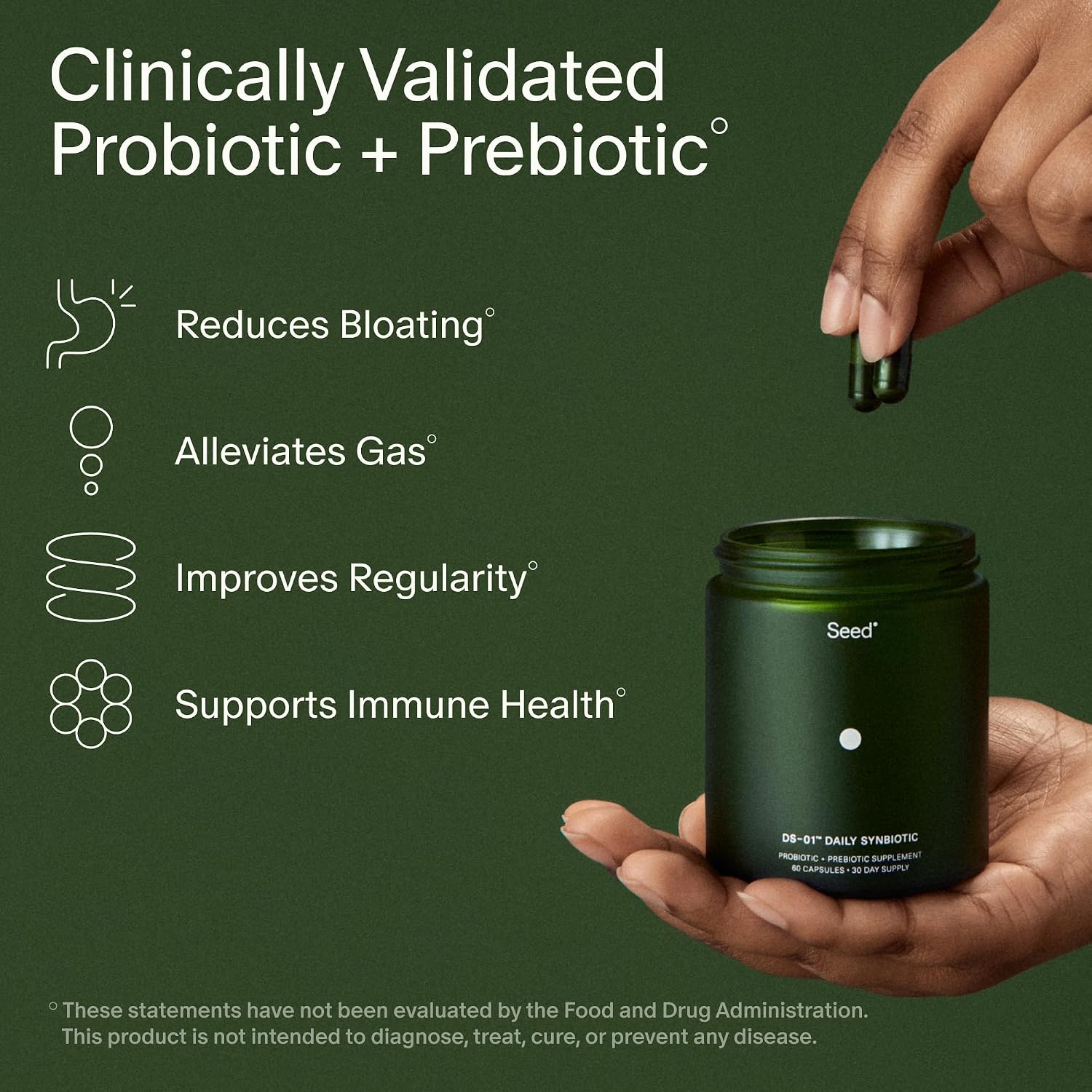
The graphic above is also where the marketing claims are stated most plainly, and it is worth separating them. “Reduces Bloating,” “Alleviates Gas” and “Improves Regularity” are the outcomes the 2026 trial actually measured. “Supports Immune Health” is not — neither published study had an immune endpoint, and we found no immune data for this formulation in either. The graphic also carries the standard disclaimer that these statements have not been evaluated by the Food and Drug Administration.
We did not test the refill workflow, and Seed does not publish a step-by-step procedure for it on the listing. So treat “infinitely refillable” as the manufacturer’s description of the design intent, not as a claim we have confirmed.
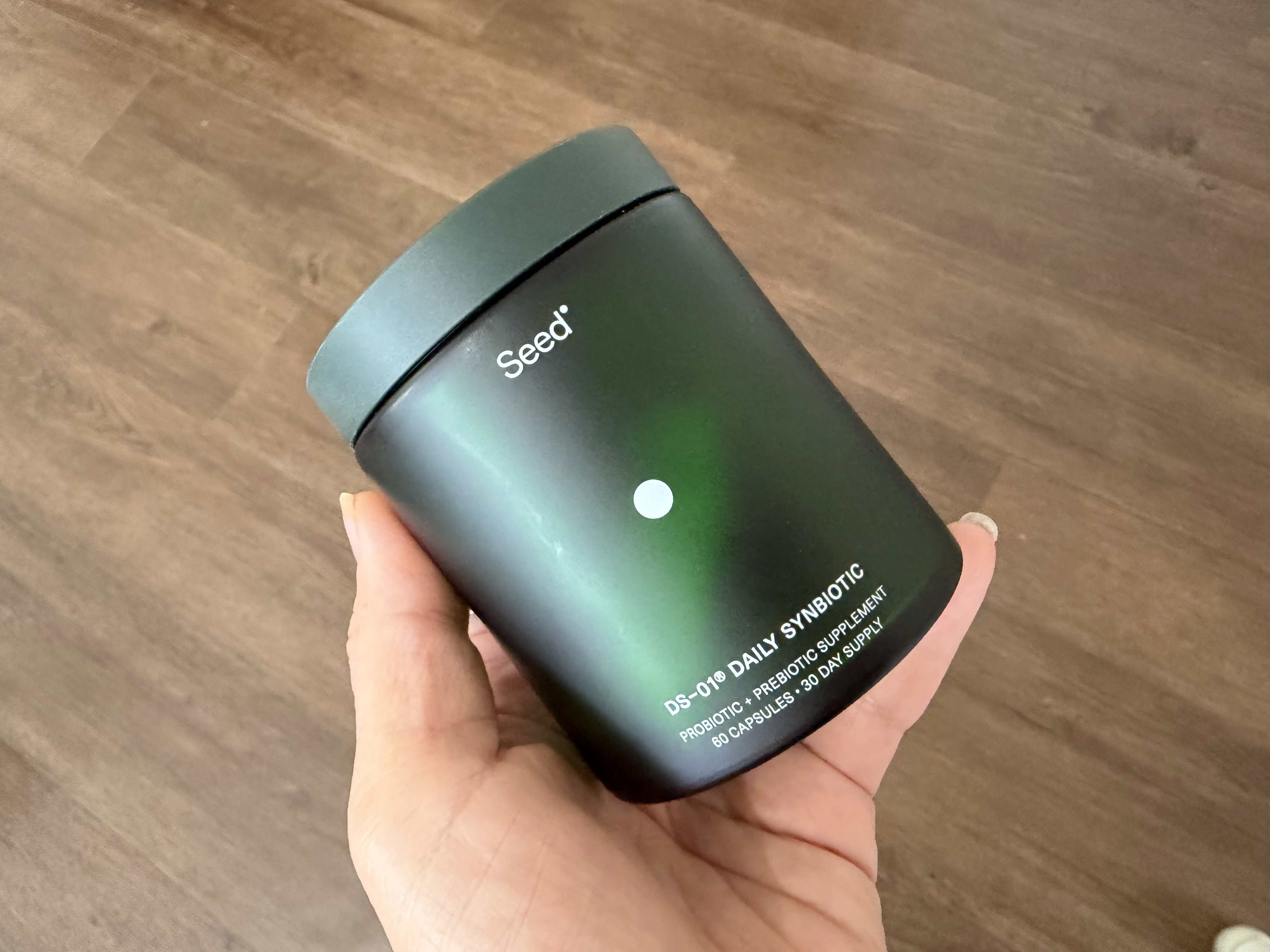
What the two published trials actually found
The gastrointestinal trial (n=350, six weeks)
This is the more useful of the two for a reader deciding whether this product does anything. It was randomized, double-blind and placebo-controlled, with 350 participants who reported their own bloating or indigestion, recruited through a decentralized design across 40 U.S. states and one U.S. territory.
At Week 6, comparing the synbiotic arm to placebo:
- Gastrointestinal quality of life, measured by the Digestion-associated Quality-of-Life Questionnaire, where a lower score is better: 0.80 vs 1.20, p < 0.05
- Bloating and gas on the NIH PROMIS-GI 13a, where lower scores mean fewer symptoms: median 16.0 vs 21.0, p < 0.01; participants reporting never or rarely bloating 72.3% vs 55.9%, p < 0.001; reporting no belly swelling 73.3% vs 57.6%, p < 0.05
- Abdominal discomfort and pain on the NIH PROMIS-GI 5a: median 8.0 vs 10.0, p < 0.01; abdominal discomfort never or rarely 67.3% vs 59.3%, p < 0.05; abdominal pain never or on one day per week or less 76.2% vs 63.6%, p < 0.01
- Constipation and regularity: constipation-related discomfort rated none or slight 79.2% vs 71.8%, p < 0.05; improved regularity and quality of bowel movements 49.5% vs 34.2%, p < 0.05. In the subgroup with constipation at baseline, none-or-slight discomfort was 75.6% vs 67.7% and improved regularity 52.6% vs 33.3%, both p < 0.05
Safety was prospectively monitored throughout. The study reports that the synbiotic was well tolerated with no serious adverse events, and no significant differences between arms (p > 0.05) in total adverse events or in symptom-specific events including dizziness, drowsiness, dry mouth, headache, insomnia, nausea, numbness/tingling and other GI symptoms.
The limitations matter as much as the numbers, and the authors are direct about them. The decentralized design improved recruitment and generalizability but produced a higher dropout rate, and conservative analytical methods were applied. No biomarker or microbiome assessments were made in this trial — the microbiome work was done separately. Outcomes came from validated self-reported instruments rather than physician-administered measurements such as direct abdominal girth measurement, and participants did not have a physician evaluation at baseline, so the study cannot confirm a diagnosed functional GI disorder. Participants were classified as otherwise healthy adults; the authors note that self-reported GI symptoms may technically fall outside the strictest reading of “healthy.”
One further result is often quoted and should be quoted carefully. In the overall population there was no significant difference in anxiety, depression or libido. A significant result appeared in a subgroup with mild anxiety, where 66.0% versus 45.5% (p < 0.05) reported at least a one-point reduction on a 5-point Likert scale for one specific anxiety-related symptom. That is one symptom in a subgroup, not an anti-anxiety effect.
The microbiome trial (n=32, 91 days)
The second study tested the same formulation for 91 days in 32 healthy adults, and it measured biology rather than symptoms. Bifidobacterium and Lactobacillus alpha diversity increased at every timepoint, reaching p < 0.0001 at Day 91. Urolithin A, a metabolite produced by gut bacteria from pomegranate polyphenols, rose approximately 12-fold by Day 7 and roughly 49-fold by Day 91, and the share of participants whose microbiome was capable of producing it reached 100% versus 44.4% in placebo at Day 91 (p < 0.01). Fecal butyrate increased (p < 0.03). A decrease in serum CRP of −0.44 mg/L was associated with increased abundance of Bifidobacterium longum and Bifidobacterium infantis. HbA1c fell in the synbiotic arm but remained within the normal range expected for a healthy population without metabolic syndrome.
Safety reporting here: no participants reported adverse events in either study arm, no clinically meaningful differences in clinical chemistry or hematology markers between arms, and no clinically significant changes in vital signs or safety blood markers.
This study had no gastrointestinal symptom endpoints at all. It cannot support a claim about bloating or regularity, and its authors say so — further research is needed to determine whether the biological benefit demonstrated leads to clinical improvement in GI outcomes. It was also small and mechanistic-focused, used self-reported food records subject to recall bias and underreporting, and did not measure fecal calprotectin.

Claims the published trials did not test
The listing makes several claims beyond what these two studies measured, and it is worth listing them plainly rather than repeating them as findings.
“Benefits Beyond the Gut” is the manufacturer describing strains that support immune health and micronutrient synthesis, and a prebiotic that reduces the visible signs of skin aging in four weeks. Neither trial measured skin aging, immune function or micronutrient synthesis as outcomes. The two-in-one bullet is also careful to describe the formulation as a 24-strain probiotic and prebiotic “shown to improve regularity, reduce bloating, and alleviate gas in the largest clinical trial for a probiotic on bloating and gas in healthy adults at the time of publication” — the trial supports that framing, with the funding and authorship relationships noted above.
Pros and cons
Pros
- ✔ 24 named strains with per-blend CFU counts on the panel, totalling 53.6 billion AFU per two-capsule serving, plus a named 400 mg pomegranate prebiotic
- ✔ Vegan capsule in a dual-shell design, with the outer shell serving as the prebiotic carrier
- ✔ The 2026 trial is large, randomized, double-blind and placebo-controlled, and it is published in a peer-reviewed journal with full safety data
- ✔ The jar is a reusable container you keep, so the packaging does not go into the bin every month
- ✔ No refrigeration required, so the jar can live on a counter rather than in a fridge
Cons
- ✘ Both published studies were funded by Seed Health and include Seed employees and shareholders among the authors
- ✘ The 91-day study measured microbiome and metabolites only, and its authors state the link to symptom improvement is still unproven
- ✘ The 2026 trial relied on self-reported instruments with no physician evaluation at baseline, and had a higher dropout rate from its decentralized design
- ✘ Claims about immune health, micronutrient synthesis and skin aging appear on the packaging without published outcome data behind them in these trials
- ✘ The capsule-in-capsule survivability claim rests on an in-vitro study, not on human absorption data
View the Seed DS-01 30-Day Jar on Amazon
Prices and availability change daily on Amazon — check the listing for the current offer.
Who should buy it
Buy the jar if you have never taken DS-01 and you want the container. This listing includes the Seed jar, and the refill listings do not, so starting here means you buy the vessel once rather than buying a jar later.
Buy it if you want a daily probiotic with a genuinely specific label. Four blends with their own strain names and AFU counts, a named 400 mg pomegranate extract, and a stated serving size of two capsules is a level of disclosure most supplements in this category do not reach.
Buy it if your digestive sensitivity is unknown. Seed’s own guidance is to start with one capsule daily for three days and then move to two, or to follow your healthcare practitioner’s protocol, and this jar is where you would begin that ramp.
Who should skip it
Skip it if you already own the Seed jar. In that case the refill formats are the products that make sense, and you would be paying for a second jar.
Skip it if you want evidence that was produced without the manufacturer’s involvement. For DS-01, the two most informative studies both had Seed funding and Seed authorship, and we could find no published trial of this formulation funded by an unrelated party. We would rather tell you that than imply otherwise.
Skip it if your goal is a symptom that was never measured. The 91-day study looked at microbiome diversity, urolithin A, butyrate and inflammatory markers, and deliberately had no GI symptom endpoints. If someone promises you this product for a symptom on the strength of that study, they have read the abstract badly.
Frequently Asked Questions
How many capsules are in the jar, and how long does it last?
Sixty capsules at two per serving, which the panel and the jar both describe as a 30-day supply. That is the full daily dose, not a one-capsule-a-day product.
Is this the same DS-01 formula as the refill sachets?
Yes. Same product name, same 24-strain blend structure, same 53.6 billion AFU per serving, same 400 mg pomegranate extract, same vegan ViaCaps shell. The difference between this listing and the refill listings is packaging and supply length, not formulation.
Does it need to be refrigerated?
No. The panel’s suggested use says to take two capsules at once daily and states that no refrigeration is necessary, and the manufacturer’s delivery-system graphic repeats that.
What is MAPP and what does 400 mg of it mean?
MAPP is Seed’s term for Microbiota-Accessible Polyphenolic Precursors, and on this panel it is Indian pomegranate extract with more than 40% polyphenolic and phenolic bioactives. It is the prebiotic half of the synbiotic and the ingredient both published trials studied at 400 mg.
Is the capsule vegan?
Yes. The other ingredients line reads vegan outer and inner capsules made from hypromellose, with sodium copper chlorophyllin color in the outer shell, plus organic rice flour and organic rice extract as carriers.
Does it actually help with bloating?
The best evidence is the 2026 trial, where the synbiotic arm reported less bloating and gas than placebo at Week 6 — 72.3% versus 55.9% never or rarely bloated, p < 0.001. We are quoting a manufacturer-funded study with manufacturer authors, so the fair way to read that is as encouraging and worth trying, not as independent confirmation.
Is there anything in it for immune health?
The packaging and the listing claim it, and the brand graphic lists “Supports Immune Health” among its four claims. Neither published study measured immune endpoints, so we cannot support that claim from evidence we read.
The bottom line
DS-01 is one of the more honestly specified probiotic supplements on the shelf. Twenty-four named strains across four blends with individual counts, a stated 53.6 billion AFU, a named 400 mg pomegranate prebiotic, a vegan dual-shell capsule, and no refrigeration required — that is a label you can actually check line by line. The 2026 trial is a genuinely large randomized placebo-controlled study with a result worth reading, and the safety data is published rather than asserted.
What holds it back is provenance, not quality. Both studies were funded by Seed Health and include Seed employees and shareholders as authors, so the impressive trial sits closer to marketing than to independent verification. The jar is the right entry point for a new user precisely because it is the piece the rest of the system needs, and it is the piece you would buy only once.
If you have the jar already, the refill formats are the better purchase. If you do not, this is the listing that includes it — start with one capsule for three days if you are unsure, and read the trial yourself before you believe any of it.
Browse the Seed brand store on Amazon
Prices and availability change daily on Amazon — check the listing for the current offer.
Sources cited in this article
- Amazon — manufacturer listing for Seed DS-01 Daily Synbiotic, 30-Days With Jar, including the full feature-bullet set, the listing specifications, and the aggregate buyer rating of 4.4 out of 5 stars from 8,546 global ratings (accessed November 2026)
- Product packaging — the Supplement Facts panel, suggested use and storage statement, other-ingredients line, manufacturer address, and the packaging-transition notice, read directly from the images published with this listing
- The manufacturer’s own product graphics published with this listing, including the delivery-system, clinically validated and refill-system images reproduced in this article
- Nutrients, 2026 Jan 14;18(2):255 — “A Randomized, Placebo-Controlled Trial Evaluating Multi-Species Synbiotic Supplementation for Bloating, Gas, and Abdominal Discomfort” (PMID 41599868), full text read via PMC12845427
- Nutrients, 2025 Aug 23;17(17):2734 — “Multi-Species Synbiotic Supplementation Enhances Gut Microbial Diversity, Increases Urolithin A and Butyrate Production, and Reduces Inflammation in Healthy Adults” (PMID 40944126), full text read via PMC12430871
- ClinicalTrials.gov registrations NCT06009614 and NCT04171466, as cited in the respective trial publications
This article contains affiliate links. When you buy through them, we may receive a commission from the brand or platform at no additional cost to you. Our editorial process is independent of affiliate relationships — see our Affiliate Disclosure and Our Method.